Tag: JewishPłock

The Szeraszew family

The Szeraszew family

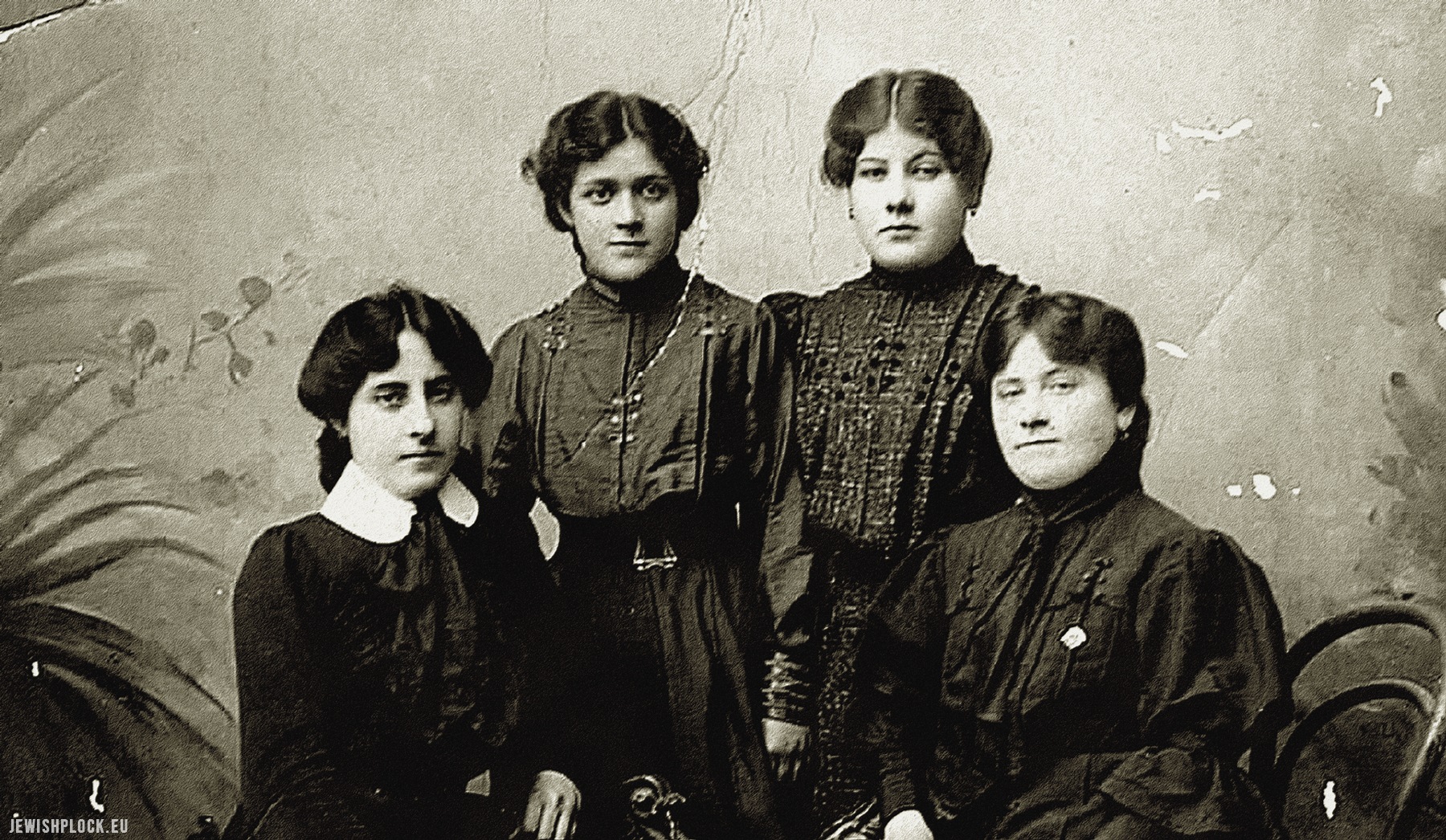
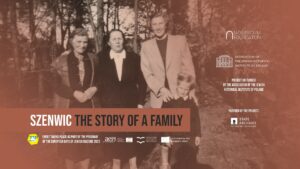
Our branch of the Szeraszew family comes from Radziłów and thanks to the documents stored in the Łomża department of the State Archives in Białystok it is known, that there were many members of the Szeraszew family in Radziłów and the local area. Joszka Szeraszew […]

Fiszel Zylberberg

Fiszel Zylberberg

Fiszel Zylberberg (1909-1942), graphic artist and painter, was the son of the trader Wolf Zelig and Hena Ruchla nee Nordenberg. At the age of 16 he went to Warsaw, where he studied drawing during private lessons. Since 1930 he studied as a free student of […]

Natan Korzeń

Natan Korzeń

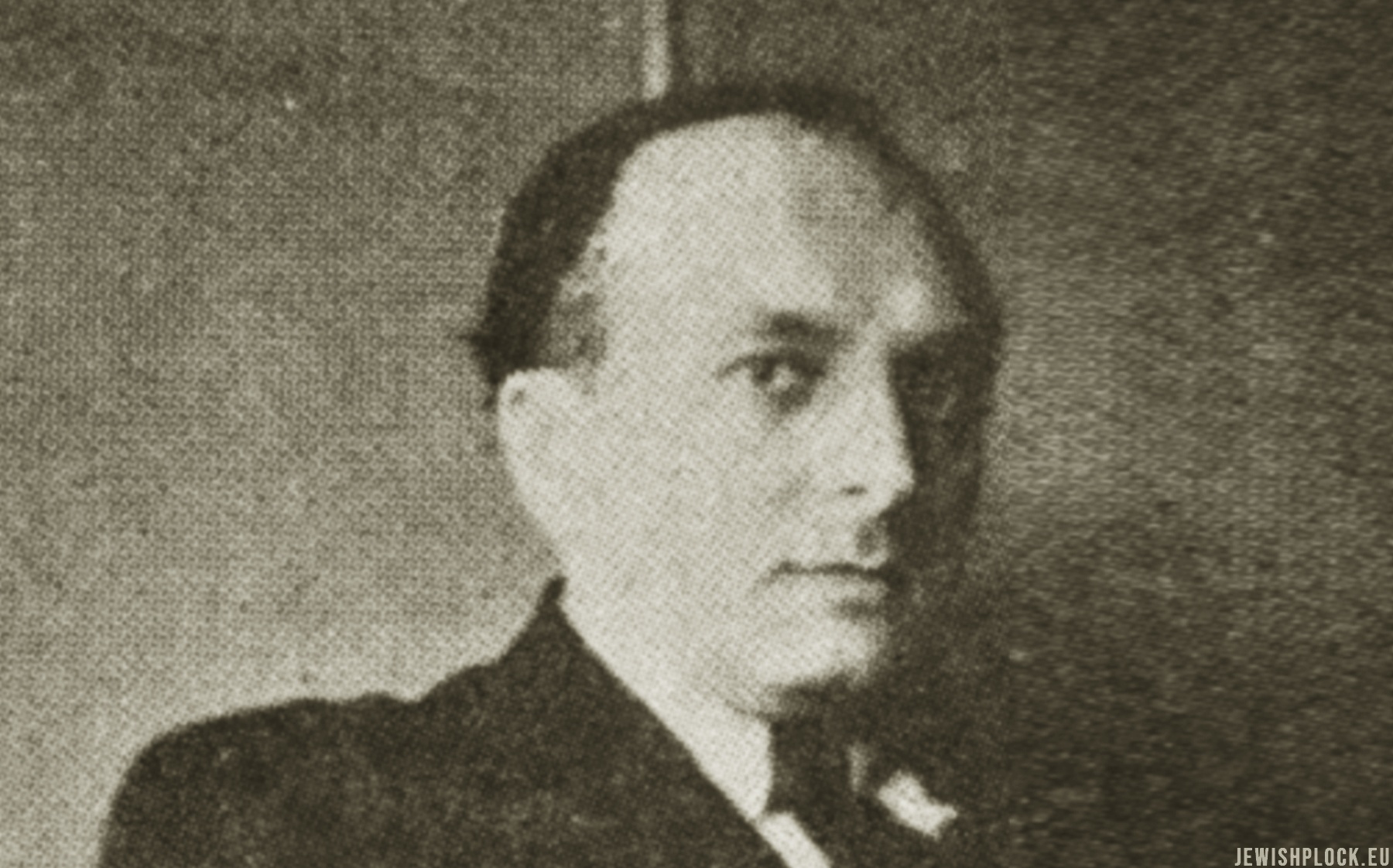
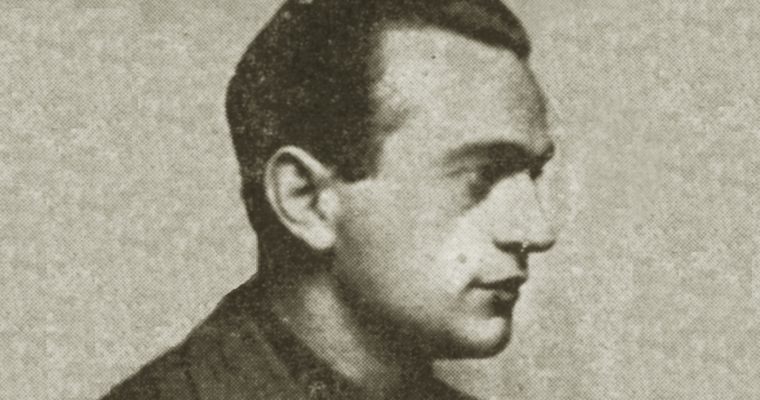
Nusen aka Natan Korzeń was born on April 17, 1895 in Płock, as the son of Szlama Majer and Ruchla Łaja nee Szczawińska. Natan Korzeń, a member of a young group of Polish painters, was considered one of the most important Jewish artists in Poland. Members of his family in Płock were involved in various arts and crafts, and little Natan loved to watch the work of his uncles who were goldsmiths. His grandfather and father had a workshop producing copper items, including those used in Jewish rituals. In order to take formal education in the field of art, Natan left his family home and went to Warsaw. He graduated from the Academy of Fine Arts under the supervision of professors Stanisław Lentz and Tadeusz Pruszkowski. Still as a student, Korzeń exhibited his works in a Jewish gallery in Warsaw. After graduating, he quickly became one of the best portraitists in Poland. Many notable people employed him for portraits. He was also associated with the Theater School in Warsaw operating since 1929, where he lectured on art history. In addition to portraits, he also painted landscapes and whenever he visited Płock, he left the town in order to paint rural landscapes near it. According to art critic Yehiel Aronson, Korzeń was not influenced by the school of surreal post-impressionism because he had the talent to convey his own longings to the canvas in a realistic way. Korzeń had its own painting workshops in Warsaw and Kazimierz nad Wisłą. His works were exhibited, among other places, in Paris and Warsaw. He had two individual exhibitions in Płock and took part in several group exhibitions. In February 1932, at the exhibition in the Hotel Polski in Płock at 9 Tumska Street, the Art Club of Płock opened the 1st Płock Art Exhibition, which showed two oil works by Korzeń – ‘Portrait of a Boy’ and ‘Houses in Kazimierz’.

During the outbreak of the war, Natan Korzeń settled in Vilnius, because he thought that from there it would be easier for him to escape to the West. In Vilnius, he worked as a stage designer at the Jewish National Theater. His hopes for escape proved to be deceptive, as he ended up in the ghetto, where he took an active part in the cultural life of the Jews living there. The Nazis burned most of his paintings. He was murdered in 1941, probably in Ponary near Vilnius.

Film from 1937 and over 6200 people identified as part of the “Remembrance. Płock 1939” research project

Film from 1937 and over 6200 people identified as part of the “Remembrance. Płock 1939” research project

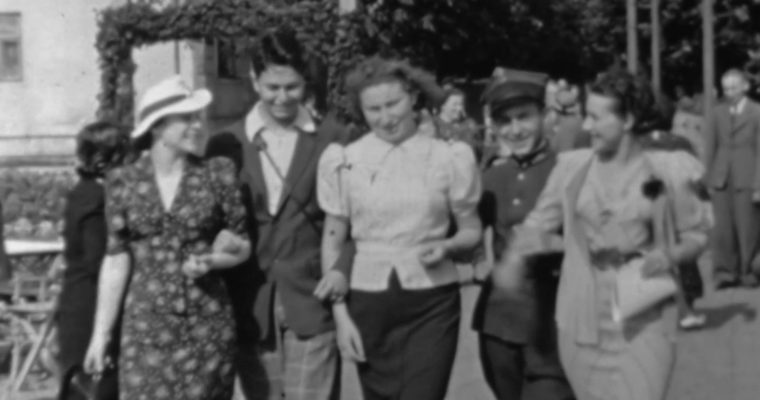
An extraordinary 1937 film by Józef Herman Keller and his son Norton has been just published on JewishPlock.eu. The Nobiscum Foundation received the film courtesy of Susan Keller Mouckley, Sandra Brygart Rodriguez and Arieh Bomzon. The film was digitized by the Yad Vashem Institute at […]

The 79th anniversary of the liquidation of the ghetto in Płock

The 79th anniversary of the liquidation of the ghetto in Płock

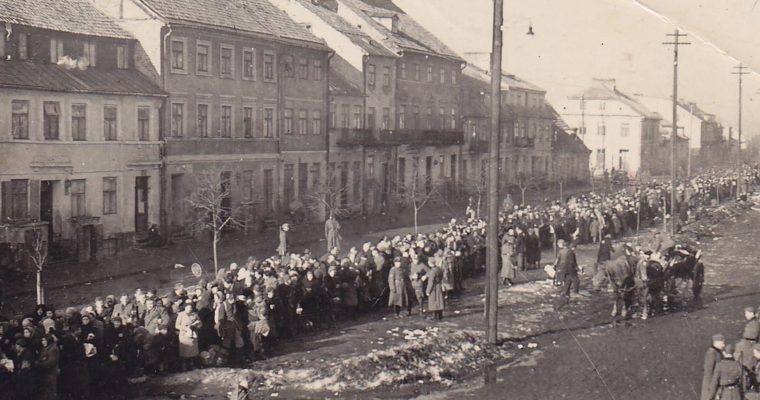
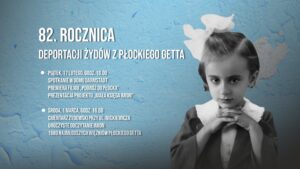
On the night of February 20-21, 1941, the Germans began to deport Jews from Płock. On the morning of February 21, the Jewish population was concentrated on Kwiatka Street and between the synagogue and Bielska Street: “… since 4 in the morning, there was light […]

The Arbajter family

The Arbajter family

The Arbajter family lived in Płock at 3 Kwiatka Street in the tenement house of Mendel Jakub Perelgryc and his wife Hinda Małka nee Radzik. Hersz Icek Arbajter (1889-1942), son of Mordka and Chaja Hinda nee Żwirek, was a tailor by profession. His wife was Hugra Maleńka (1892-1942), daughter of Chaim Mordka (1856-1933) and Szajna nee Lis (1850-1928). Hugra had two sisters – Estera and Hendel and a brother Izydor who emigrated to the United States. Hersz Icek and Hugra Arbajter had five sons: Eliasz Mendel (born in 1919), Mordka (born in 1922), Izrael Beer (born in 1925), Uren (born in 1927) and Józef (born in 1929).

During World War II, the eldest of the brothers, Eliasz Mendel fled to the Soviet Union. Initially, he worked as a teacher, then joined the army. He was killed near the Polish-German border. The Arbajter family was deported from the Płock ghetto (established on September 1, 1940) to the transit camp in Działdowo, then to Bodzentyn, and finally to the ghetto in Starachowice, which was founded in February 1941. On October 27, 1942, the Germans liquidated the ghetto – Józef Arbajter with his parents Hersz Icek and Hugra were deported to the Treblinka extermination camp. Mordka, Izrael Beer and Uren remained in Starachowice. They worked in an ammunition factory, which was controlled by the Herman Göring Werke group. In July 1944, the Germans began the liquidation of the labor camp. 1,500 prisoners, including the Arbajter brothers, were deported to Auschwitz.

After the war, Mordka, Izrael Beer and Uren Arbajter emigrated to the United States.

Premiere of the book “Tema. Memories of the time of Holocaust”. Presentation of the project “Remembrance. Płock 1939”. Concert by 3kropki: “Zachor”

Premiere of the book “Tema. Memories of the time of Holocaust”. Presentation of the project “Remembrance. Płock 1939”. Concert by 3kropki: “Zachor”

Sunday, March 1, 2020, marks the 79th anniversary of the last deportation of Jews from the Płock ghetto. On this day, the Nobiscum Foundation invites you to the Art Gallery of Płock for the premiere of its third publication – the book entitled “Tema. Memories […]

4 Kolegialna Street – history of the place and the people

4 Kolegialna Street – history of the place and the people

At the beginning of the 19th century, the square with a brick house on the property marked with mortgage number 283 belonged to a carpenter Jan Franciszek Frahm (around 1768-1813) from Hamburg. As he had no children, after his death the property was inherited in […]

International Holocaust Remembrance Day in Płock

International Holocaust Remembrance Day in Płock

This Monday, 27 January 2020, marks the International Holocaust Remembrance Day.

Answering the annual appeal of the Shalom Foundation, let us join the “Light of Remembrance” action that day. Let’s light candles in our windows in Płock at 6 p.m. as a sign of commemoration of all victims of the Holocaust. We can also light candles on the monument at the Płock Jewish cemetery at Mickiewicza Street.

Our duty is to remember. Never again.

Emma Altberg

Emma Altberg

The tenement house at 26 Sienkiewicza Street in Płock, in which the Private Upper Secondary Art School is currently located, belonged to the Altberg family before the war. Here, on March 15, 1938, Paulina Altberg, née Golde, daughter of Benjamin and Liba Rechla née Goldsztejn, who […]


error: