Tag: Mazovian Jews

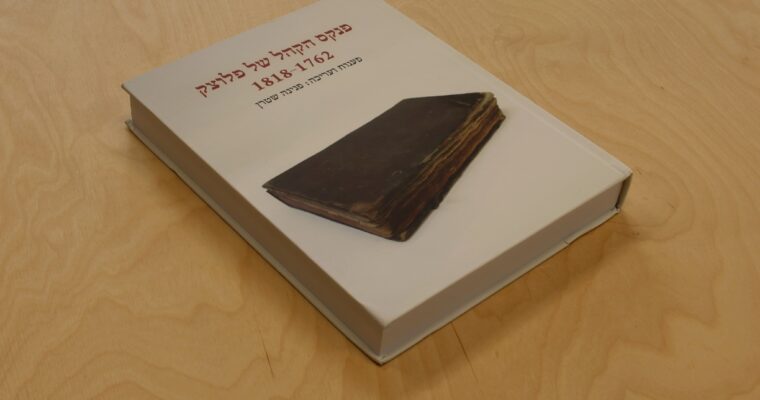
Pinkas Hakahal of Płock 1762-1818 in academic edition by Pnina Stern

Pinkas Hakahal of Płock 1762-1818 in academic edition by Pnina Stern

An extraordinary publication on the history of the Jews of Płock has been published – it is a source study of the “Pinkas Hakahal” – chronicle of the Jewish community in Płock in the years 1762-1818, originally preserved in the collection of the Jewish Historical […]

In the footsteps of Adam Neuman-Nowicki. Premiere of the guidebook in the autumn 2025

In the footsteps of Adam Neuman-Nowicki. Premiere of the guidebook in the autumn 2025

This year marks the 100th anniversary of the birth of Adam Neuman-Nowicki (1925-2021) – a native of Płock, author of the book entitled “Struggle for life”. In connection with this special occasion, the Nobiscum Foundation prepares a new guidebook – “In the footsteps of Adam […]

20th International Holocaust Remembrance Day

20th International Holocaust Remembrance Day

Lejbusz Pszenica, Szmul Dawid Pszenica, Chana Ryfka Głowińska z domu Żychlińska, Azriel Szlama Pszenica, Dwojra Gitla Pszenica, Estera Tauba Pszenica, Gnanczy Pszenica, Abram Hersz Pszenica, Bina Pszenica, Małka Pszenica, Beniamin Hersz Niedźwiedź, Naftali Markus Frendler, Hinda Frajdla Grynbaum, Szmul Majer Luszyński… Many Jews from Płock were murdered in the Auschwitz-Birkenau extermination camp.

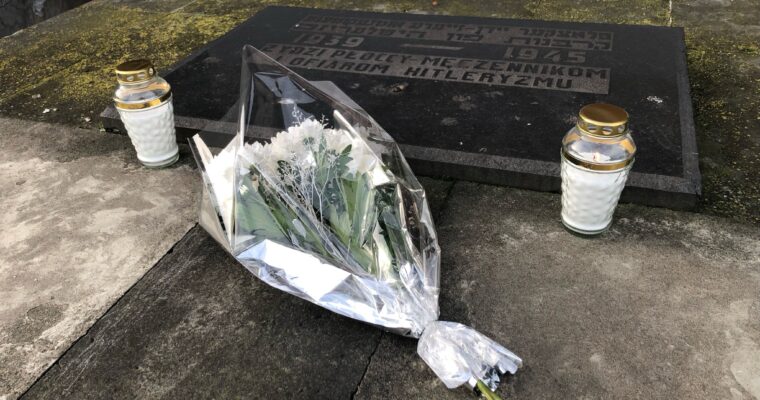
Today, on the 80th anniversary of the liberation of the Auschwitz German Nazi concentration and extermination camp and also on the International Holocaust Remembrance Day, we laid flowers and lit candles at the Jewish cemetery at Mickiewicza Street, wanting to symbolically commemorate thousands of Płock residents who were murdered during World War II.


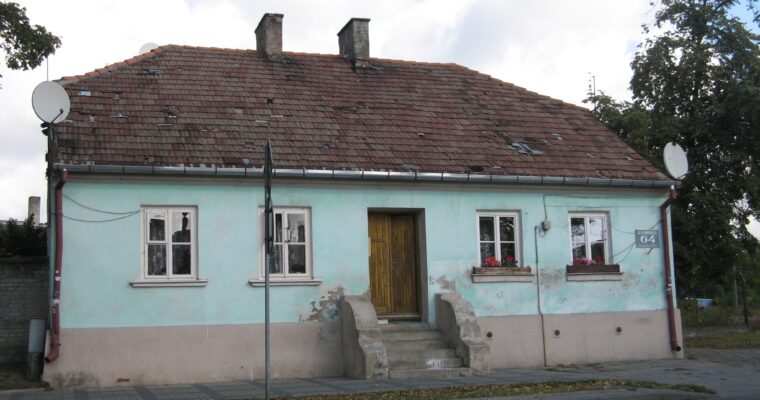
The house at 64 Sienkiewicza Street in Płock in the register of historic monuments!

The house at 64 Sienkiewicza Street in Płock in the register of historic monuments!

The house at 64 Sienkiewicza Street in Płock, where Symcha Guterman lived with his wife Ewa and son Jakub, was entered into the register of monuments! We are very happy and hope that in the future, when the building is renovated, a plaque commemorating Symcha […]

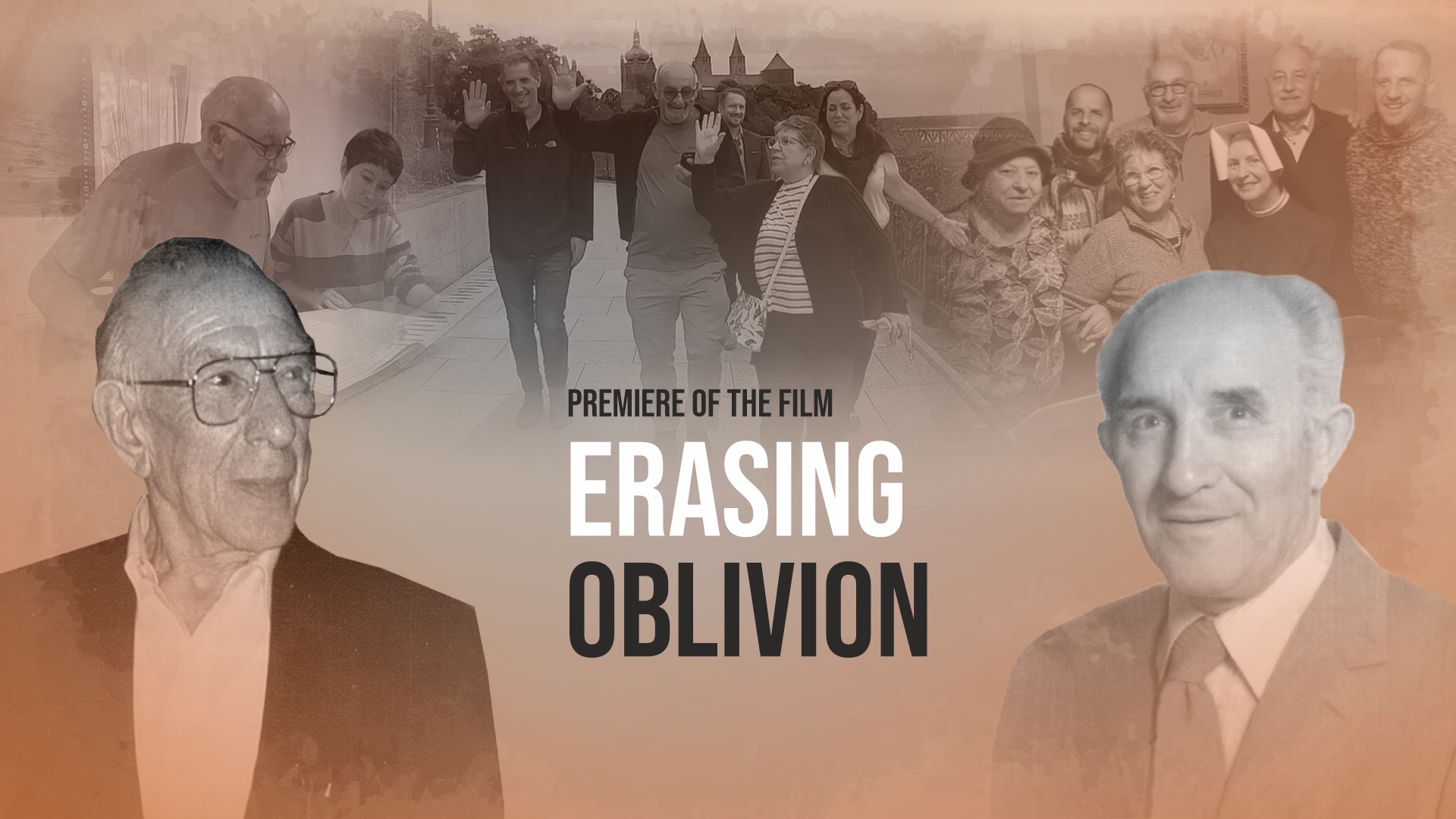
Premiere of the documentary “Erasing Oblivion”

Premiere of the documentary “Erasing Oblivion”

At the beginning of September, we invite everyone to the premiere of a documentary film produced by the Nobiscum Foundation on the initiative of Arieh Bomzon and Sandra Brygart Rodriguez – descendants of the Bomzon and Brygart Jewish families from Płock. The film shows their […]

104th anniversary of the defense of Płock against the Bolshevik invasion

104th anniversary of the defense of Płock against the Bolshevik invasion

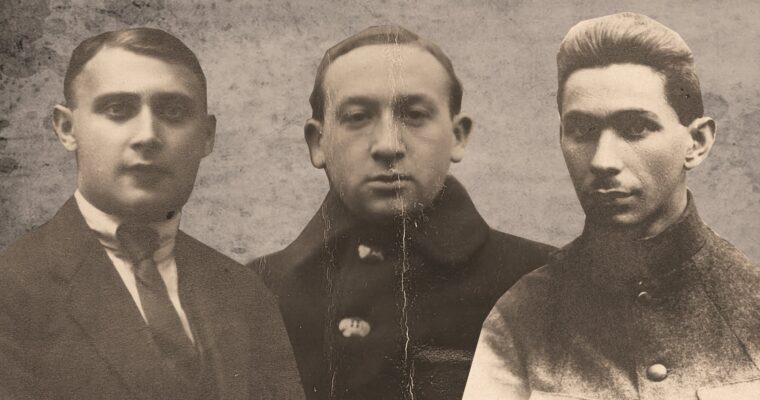
On the occasion of the 104th anniversary of the defense of Płock against the Bolsheviks, we recall the Jews of Płock who joined the Polish Army as volunteers during the Bolshevik invasion in 1920

As Szmul Grojnem Wasserman, born in 1897, wrote:

“In July 1920 […] during the invasion of the Eastern Moscow hordes, I felt obliged, as a Polish citizen, to stand in the leading cadres of our Army and for this purpose I joined the 6th Legions Infantry Regiment, with which I went through the entire Kiev campaign and counter-offensive of Augustów, constantly taking part in battles, where I was even injured twice (once in the retreat from Kiev, the second time in the Augustów forests)”.

There were many more Jews from Płock, such as Szmul Grojnem Wasserman. Among them were:

Abram Penson – born on June 13, 1900, son of Szmuel and Kajła Itta née Landau, graduate of the Philological Male Middle School of the Polish School Society in Płock.

Icek Jakub Perelgryc – born on January 23, 1898, son of Szaja and Chaia Chudes née Witenberg, graduate of the Philological Male Middle School of the Polish School Society in Płock.

Mejer Kanarek – born on April 14, 1898, son of Rywen and Chana, graduate of the Władysław Jagiełło State Middle School.

Mojżesz Sarna – born on January 25, 1902, son of Chaskiel and Itta née Landau, graduate of the Philological Male Middle School of the Polish School Society in Płock.

Salomon Kohn – born on June 19, 1902, son of Lejbuś and Toba née Malowańczyk, graduate of the Władysław Jagiełło State Middle School.

Symcha Kiwa Farba – born on March 25, 1902, son of Nuchim Arie and Kajla née Winogron, graduate of the Władysław Jagiełło State Middle School.

Salomon Tyński – born on October 28, 1894, son of Tobiasz and Rajla née Chaskiel, graduate of the Tadeusz Kościuszko State Philological Middle School in Gostynin.


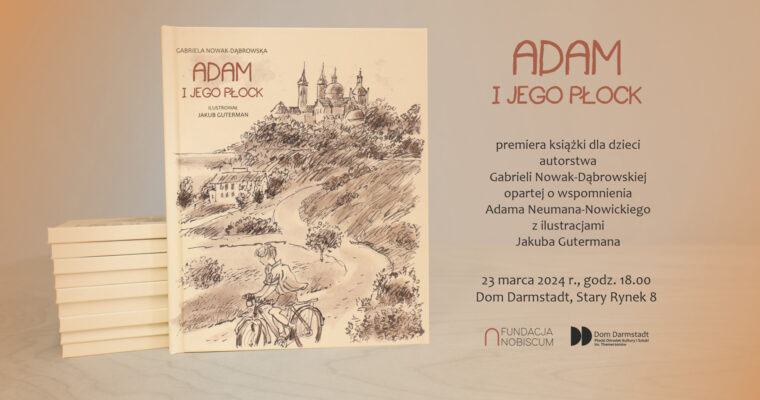
“Adam and his Płock” – premiere of the book on 23 March

“Adam and his Płock” – premiere of the book on 23 March

On Saturday, March 23, at 6 p.m., the Nobiscum Foundation invites everyone to join us at the Darmstadt House at 8 Old Market Square for the premiere of our latest publication, this time addressed to younger readers – the book “Adam and his Płock” by […]

83rd anniversary of the deportation of Jews from the ghetto in Płock. Announcement of a new publication

83rd anniversary of the deportation of Jews from the ghetto in Płock. Announcement of a new publication

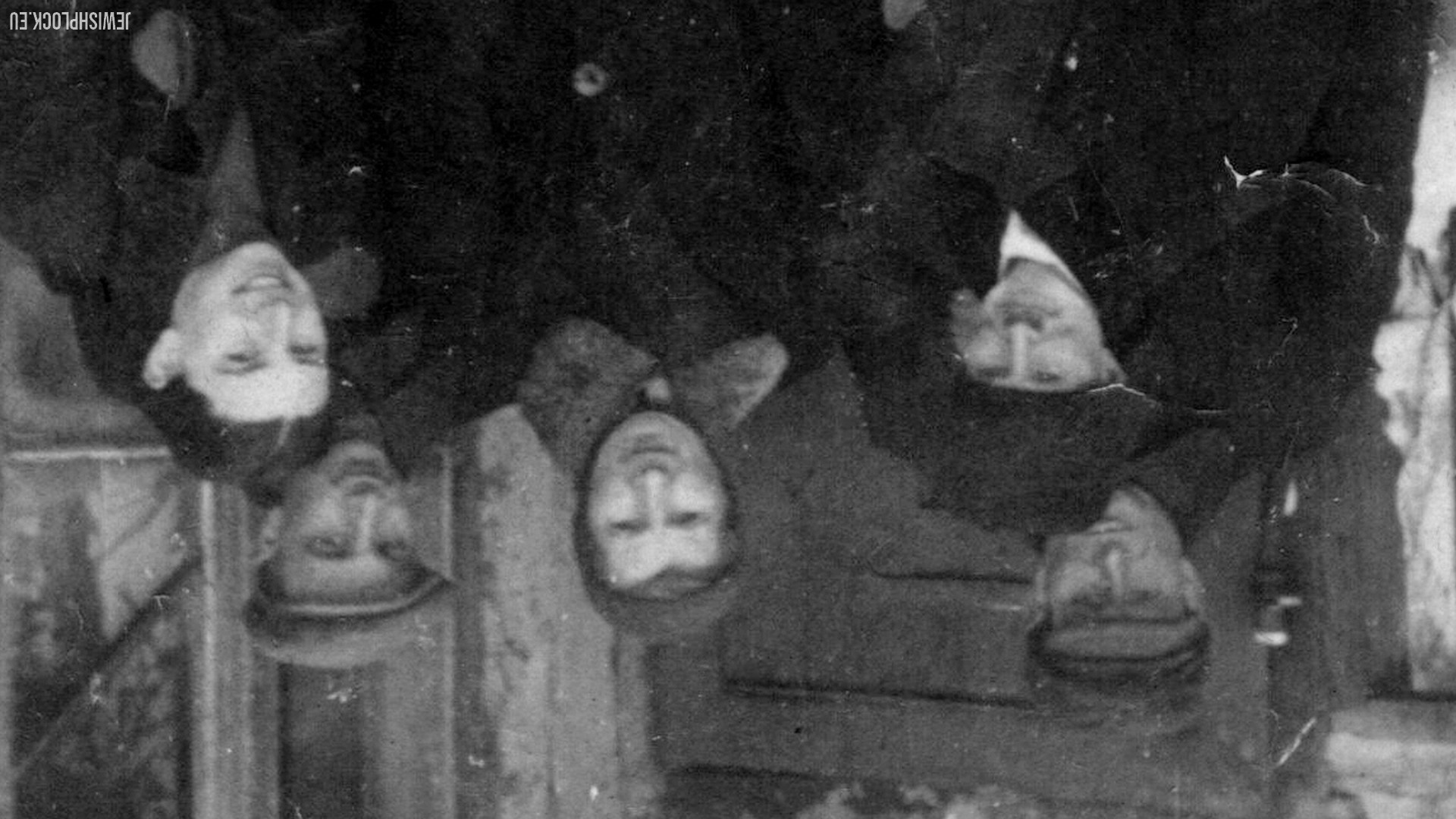
The cold winter of 1941. Against the background of a neglected building on Kwiatka Street in Płock, six people stand in the snow. Chawa Papierczyk – a young woman with dark, smoothly combed hair, parted in the middle. A smile appears on her face. All […]

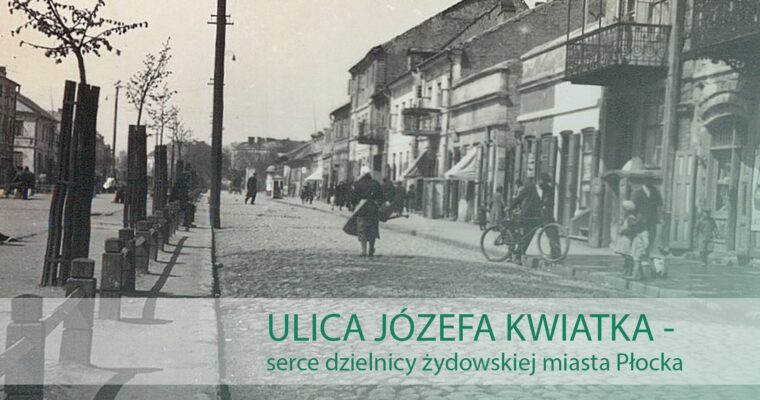
Kwiatka Street. The 6th guidebook by the Nobiscum Foundation to be published this year

Kwiatka Street. The 6th guidebook by the Nobiscum Foundation to be published this year

Thanks to co-funding of the City of Płock, this autumn our new guidebook by Gabriela Nowak-Dąbrowska will be published, this time dedicated to Kwiatka Street! We are preparing the publication in connection with the 150th anniversary of birth of Józef Kwiatek – a socialist activist, journalist and the patron of the street that was once the heart of the Jewish district. This is already the sixth guidebook to be published by the Nobiscum Foundation!

More information coming soon!

New permanent exhibition and the Memorial Wall in the Treblinka Museum

New permanent exhibition and the Memorial Wall in the Treblinka Museum

On 1 February 2024, at a meeting organized at the Jewish Historical Institute, the director of the institute, Monika Krawczyk, and the director of the Treblinka Museum, Edward Kopówka, signed an agreement on cooperation in creating the museum’s permanent exhibition. The opening is scheduled for […]


error: