Recent Posts

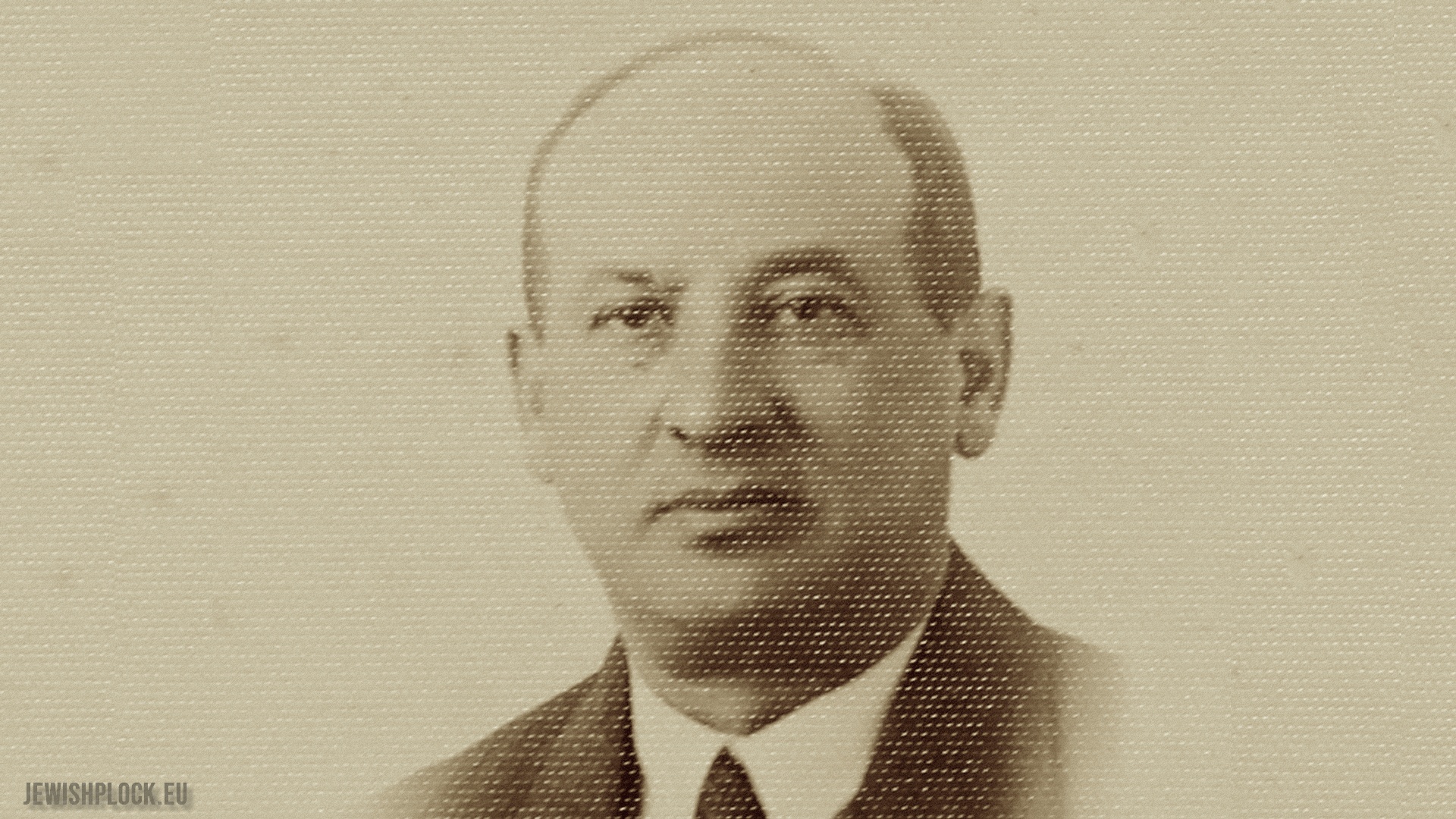
Roman Londyński

Roman Londyński

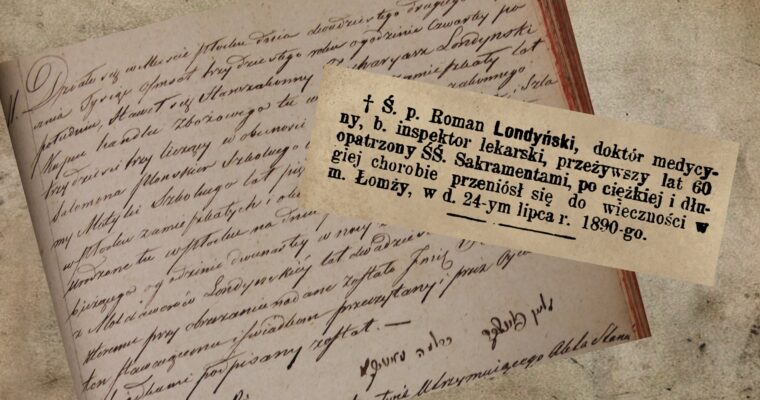
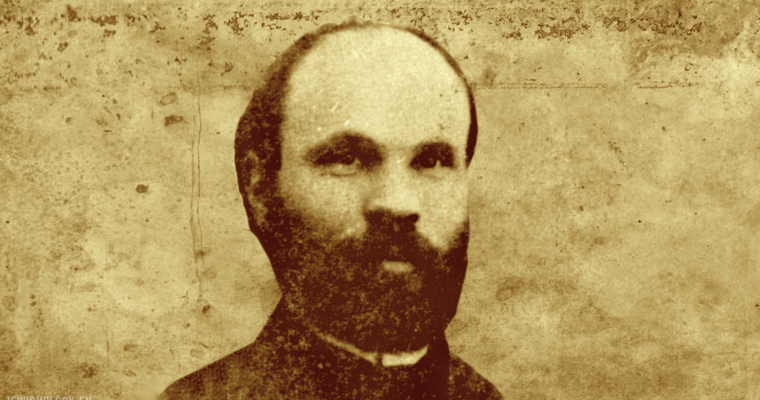
Roman Londyński (1830-1890) – doctor of medicine. He was born in Płock on January 15, 1830 in the family of a grain merchant, Zachariasz Londyński. He completed his medical studies in Moscow in 1850. He received his medical doctor degree from the Medical Council of […]

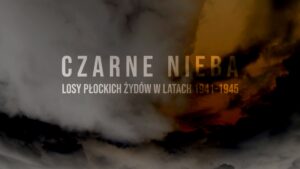
81st anniversary of the liquidation of the ghetto in Płock. Premiere of the film “Black skies. The fate of Płock Jews in the years 1941-1945”

81st anniversary of the liquidation of the ghetto in Płock. Premiere of the film “Black skies. The fate of Płock Jews in the years 1941-1945”

As part of the 81st anniversary of the liquidation of the ghetto in Płock, the Nobiscum Foundation would like to invite you on 21 February 2022, 12 p.m. CET, to the premiere of the film “Black skies. The fate of Płock Jews in the years […]

Records of the Rogozino commune

Records of the Rogozino commune

Where did Jewish families live in the Płock poviat before the war? We decided to check and research one of the communes – Rogozino.

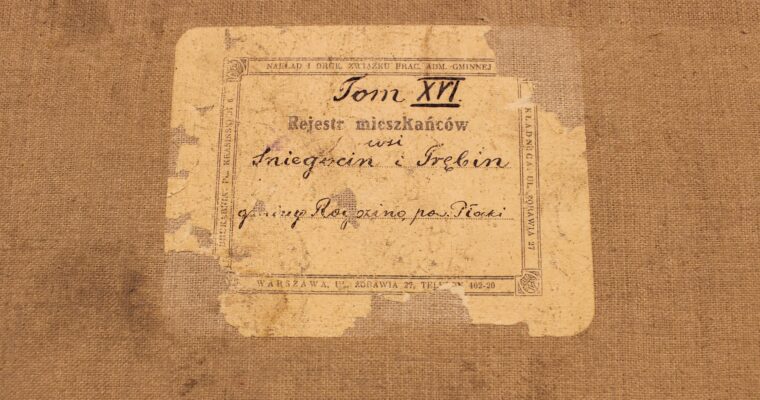
In the records of this commune, kept in the resources of the State Archives in Płock, there are registers of residents from 1931-1939 – books for the villages of: Białkowo, Boryszewo Nowe, Boryszewo Stare, Brochocino, Brochocinek, Chomętowo, Chełstowo, Szczytno, Ciółkowo, Ciółkówko, Czerniewo, Dźwierzno, Glinno, Juryszewo, Otolino farm, Imielnica, Kosino, Kostrogaj, Łoniewo, Wólka, Męczenino, Podolszyce, Radzanowo, Rogozino, Rogozinko, Stróżewko, Ślepkowo, Śniegocin, Trębin, Wodzymin, Wołowa, Woźniki, Woźniki Dębiny. The results of the query are as follows:

  • in the village of Kostrogaj, before the war, lived Icek Zemelman (born in 1896 in the village of Zdziar), son of Joel and Blejma née Klin, a farmer, with his wife Fajga née Rybir (born in 1900 in Warsaw), daughter of Boruch and Frajda née Gaferman, and father-in-law (Boruch Rybir, born 1876 in Warsaw, son of Izrael and Sura).
  •  among the records concerning the village of Trębin, we find Stefan (Abram Jechoszua) Ejbeszyc, born on December 24, 1904 in Lubicz, son of Chaim and Sara née Szenwic, an agricultural engineer by profession, who was the owner of this village from 1936. In 1939 Stefan Ejbeszyc founded the company “Szabda Steam Brick Manufacture” in Szabda (Brodnica district).

Registers of residents, which can be found in the files of communes in the State Archives in Płock, may be a helpful source in genealogical research. We encourage you to use these documents – individually or with our help.

Jerozolimska Street

Jerozolimska Street

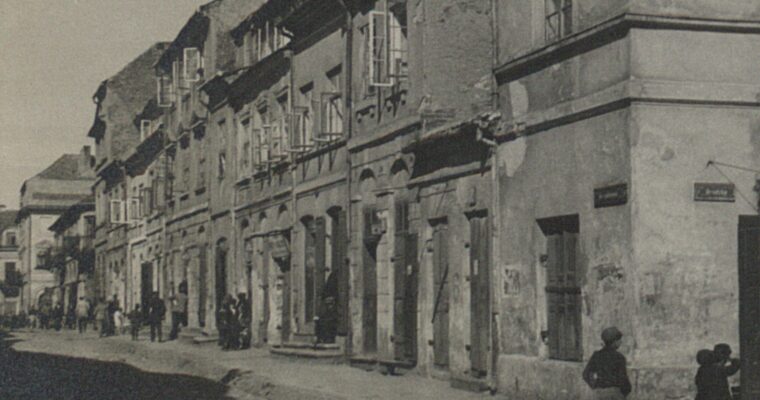
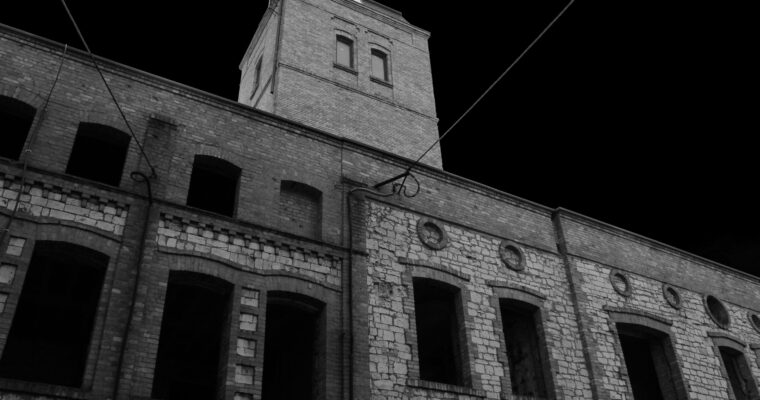
Jerozolimska Street was one of the main streets of the former Jewish district in Płock. Moszek Szlama Sarna (1838-1908) lived in the house at number 20. In 1884 he built the first iron foundry in the town. Pre-war artists Dawid (1915-2002) and Feliks (1922-2016) Tuszyński […]

The most important Jew in the world. Nachum Sokołow in a series of podcasts and articles

The most important Jew in the world. Nachum Sokołow in a series of podcasts and articles

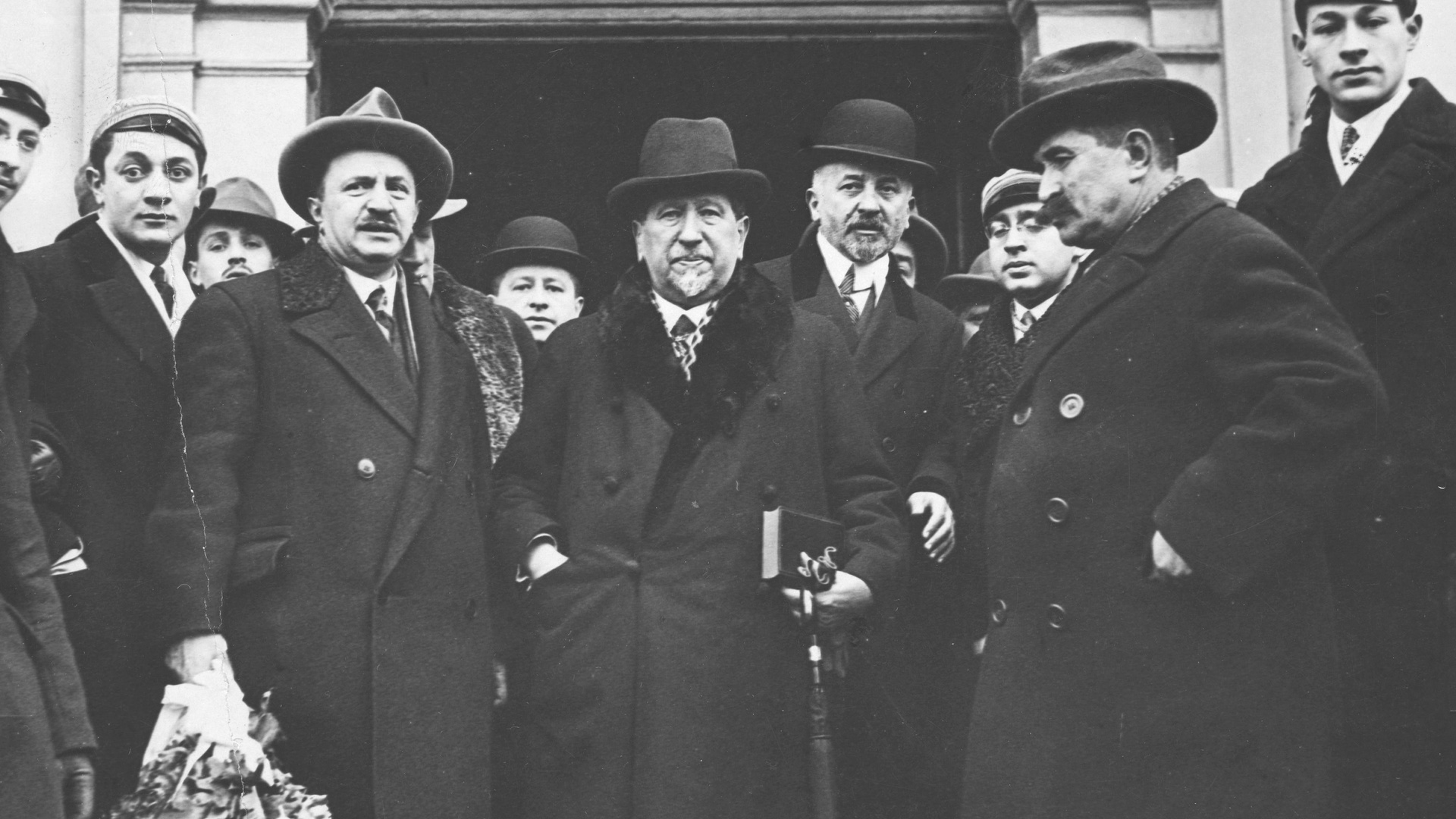
Although Nachum Sokołow was born in Wyszogród, he spent his childhood and youth in Płock. The Old market Square, where he lived with his parents and siblings and studied Latin with professor Walenty Masłowski, Synagogalna Street and the Dancygier School, which he attended, the park […]

The film “Black skies” of the Nobiscum Foundation with funding of the Association of the Jewish Historical Institute of Poland

The film “Black skies” of the Nobiscum Foundation with funding of the Association of the Jewish Historical Institute of Poland

By the decision of the Jan Jagielski Grants Committee operating in the Association of the Jewish Historical Institute of Poland, the Nobiscum Foundation has received a grant for a project of the film entitled “Black skies. The fate of Płock Jews in the years 1941-1945”.

The film, which we want to dedicate to Adam Neuman-Nowicki, who passed away this year, will be made as part of the 81st anniversary of the liquidation of the ghetto in Płock. We would like to thank the Grants Commitee and invite everyone to the premiere! More detailed information coming soon!

Official information about the results of the grant competition: https://szih.org.pl/ogloszenie-wynikow-konkursu-grantowego-listopad-2021/

Szmuel Penson

Szmuel Penson

Szmuel Penson (1865-1939) – melamed, publicist, son of Izrael and Estera née Segał. He was born in the town of Olkieniki in south-eastern Lithuania. In the 1890s he came to Płock, and in 1896 he married Itta Kajla née Landau (born 1868), the daughter of […]

Izrael Wolf Cynamon

Izrael Wolf Cynamon

Izrael Wolf Cynamon – teacher, son of Aron Hersz and Estera née Goldszyd, was born on January 1, 1883 in Płock. As a boy, he attended private studies, then he passed the exam at the government middle school in Płock and received a certificate of […]

Polish schools in tribute to the American people in memory of the 150th anniversary of the independence of the United States

Polish schools in tribute to the American people in memory of the 150th anniversary of the independence of the United States

In 1926, a great campaign was organized in Poland to collect signatures with wishes in tribute to the American people in memory of the 150th anniversary of the independence of the United States. This event was attended, among others, by schools in Płock, including the 7-grade Public Primary School No. 4, headed by Ide Mania Kahan, and the 7-grade Public Primary School No. 8, headed by Masza (Maria) Bromberger. Teachers and children placed their signatures on specially prepared sheets, which today are an extremely valuable source of knowledge about school communities of this period.

The collection of wishes from 5.5 million Polish citizens is stored in the US Library of Congress.

Julian Stryjkowski

Julian Stryjkowski

Julian Stryjkowski (before the war known as Pesach Stark) (1905-1996) – writer, author of, among others the novels “Głosy w ciemności” [“Voices in Darkness”] (1956), “Austeria” (1966), “Sen Azrila” [“Azril’s Dream”] (1975), “Czarna róża” [“Black Rose”] (1962), “Przybysz z Narbony” [“Stranger from Narbonne”] (1978). He […]


error: