Tag: JewishPłock

Mira Mariensztras

Mira Mariensztras

Mira (Kazimiera) Mariensztras (Mariańska) was born in 1902 in Vilnius as the daughter of Matylda and Otton Butkiewicz. Her mother was a wealthy person, she had her own train station, and she exported timber from Lithuania. Mira was a pianist by education – she graduated […]

Ewa Guterman

Ewa Guterman

Ewa Guterman was born in 1908 to the family of Jakub Alterowicz and Necha née Tyszman. She had several siblings: brothers Pinkus, Icek Szlama, Mojżesz, Eliasz and sister Czarna. Ewa made a living by tailoring, which she learned at the “ORT” courses in Warsaw. In […]

Eda (Estera) Zylbersztajn

Eda (Estera) Zylbersztajn

Eda (Estera) Zylbersztajn was born in 1916 in Warsaw, as the daughter of Jakub and Frajda nee Najman. Her father came from Lublin, he was a carpenter. Frajda, the daughter of Abram and Pesia, was born in Śniatyń. Eda had four siblings: brothers Ajzyk (Adek) and Szlomo (Stefan) and sisters Tema and Fela.

The Zylbersztajn family came to Płock when Eda was 15-16 years old. In Płock, they lived at 27 Kolegialna Street. Jakub ran a carpentry workshop there. He was an excellent craftsman – in 1932 he presented his furniture at the exhibition “The Art of Płock”.

Eda attended the Jewish Coeducational Middle School of the Humanities. She became politically involved quite early and was the only one of all her siblings to belong to the communist party. In mid-1935 she met her husband – Mieczysław Tureniec, who then came to Płock, and at the end of that year she moved to Warsaw, where she studied at the “Wszechnica” university and worked. Their first daughter, Ingusia, was born on January 17, 1938.

Estera and her husband survived the war in the East. In September 1939, they fled to Równe, where Mieczysław got a job. In April 1940, Ingusia died of meningitis. At the beginning of June 1941, their second daughter, Larysa, was born. In the summer of 1941, they fled further east. In June 1943, Larysa died of croup. In January 1944, Eda and her husband went to Darnica on the Dnieper, near Kiev. They lived first in the wagons, then in a dugout, as the bombing continued, despite the fact that the front had already moved far to the west. Mieczysław worked as a supplier, then as an inspector in the Kiev branch of the Union of Polish Patriots. In December 1944 their son Henryk was born. In the summer of 1945, Mieczysław was called to return to Poland, and Eda and Henryk lived in the house of the Union of Polish Patriots in Krasków near Moscow, awaiting permission to return to the country. In the second half of November 1945 they were in Poland together.

After the war, Eda worked, among others, in “Książka i Wiedza” publishing house as an editor, then as a Russian translator.

In 1981, she emigrated with her husband to Sweden. She died in 2006.

(text based on the memoirs of Halina Hylander-Tureniec)

. . .

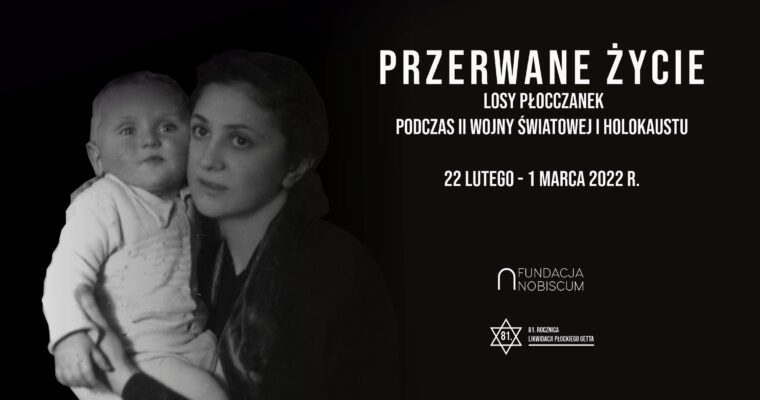
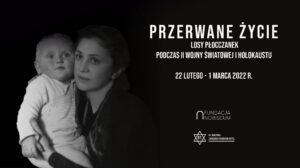
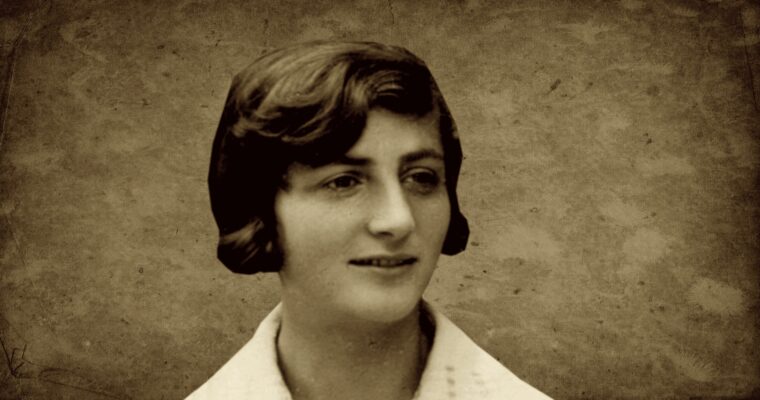
“Broken life. The fate of women of Płock during World War II and the Holocaust” is a series of texts on JewishPlock.eu, in which, between 22 February and 1 March 2022, we will recall the stories of Jewish women associated with Płock – those who were born in our city, but also those who lived or stayed here for a certain period of time. Courageous, persistent, wise, strong and caring. Women who fought for the survival of themselves and their families. They looked after children, orphans and the elderly, gained food, aided the wounded, and engaged in military struggle. They worked beyond their strength in Nazi forced labor camps. We will present the profiles and memories of women who survived the Holocaust. We will also commemorate the women of Płock who perished in extermination camps. Sometimes the only remaining trace of them today is a single entry in archival documents…

The project is implemented by the Nobiscum Foundation as part of the 81st anniversary of the liquidation of the ghetto in Płock.
Ilonka Rappel

Ilonka Rappel

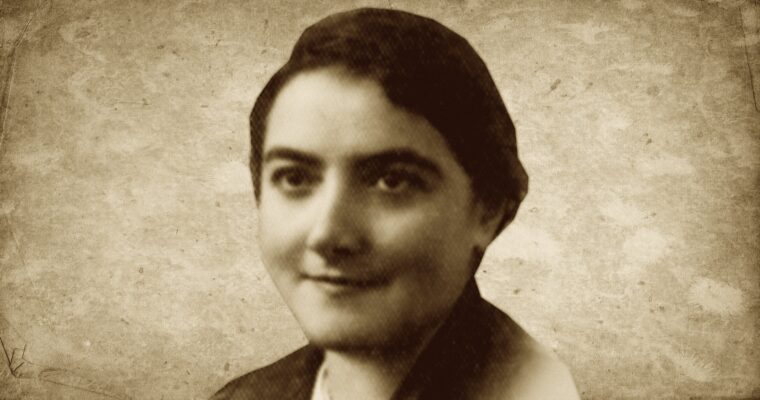
Ilonka Rappel was born in 1919 in Warsaw. Her parents were Adolf – a glove maker and shop owner, and Gustawa née Sztechtman. Ilonka’s family came from Płock (her grandfather, Rachmil Szechtman, owned a soap manufacture on Zduńska Street), and she spent her childhood there. […]

Łucja Weinles and Irena Themerson-Miller

Łucja Weinles and Irena Themerson-Miller

Łucja Weinles née Kaufman was born in 1874 in the village of Pawłowo, which at that time belonged to her grandfather Wolf Kaufman. She was the daughter of Hinda of the Kirsztejn family known in Płock and Moszek Aron Kaufman, who came from Lipno and […]

Jan Stanisław Mar

Jan Stanisław Mar

Poet, prose writer and journalist well-known before the war, was born in Płock as Marian Stanisław Lewin on October 20, 1878 in the family of a merchant, Bernard Lewin and Anna née Grynbaum. He completed his higher education in Switzerland, France and Italy. He was the author of a short story entitled “Bronka”, poetry pieces that appeared in the pages of “Kurier Codzienny”, “Przegląd Poranny” and “Kurier Warszawski”, as well as columns of, among others, “Kurier Poranny” and “Przegląd Wieczorny”. He edited and published a humorous and satirical weekly entitled “Grzmot” [“Thunder”]. He wrote the novels “Samotni” [“Loners”], “Historia dwojga ludzi i jednego filistra” [“The Story of Two People and One Philistine”], “Kawalerowie księżyca” [“Knights of the Moon”] and a volume of poetry entitled “Struny” [“Strings”]. He was associated with the Warsaw cabaret theater ‘Momus’ as well as the ‘Chochlik’ cabaret. In 1917 he became director of the ‘Czarny Kot’ cabaret, and in the following year of ‘Argus’. In 1925 he became the director of the Eldorado Theater. His stage pieces appeared in the collection entitled “Monologi”. He was one of the founders of the Society of Authors and Stage Composers (“ZAiKS”), which was established in 1918, along with, among others, Julian Tuwim. In 1928, he prepared a “Commemorative Book, published on the occasion of the tenth anniversary of ZAiKS Society of Authors and Stage Composers (1918-1928)”.

In 1942, he was murdered by the Nazis for hiding Jews in his apartment at 14 Lelewela Street.

81st anniversary of the liquidation of the ghetto in Płock. Broken life. The fate of women of Płock during World War II and the Holocaust
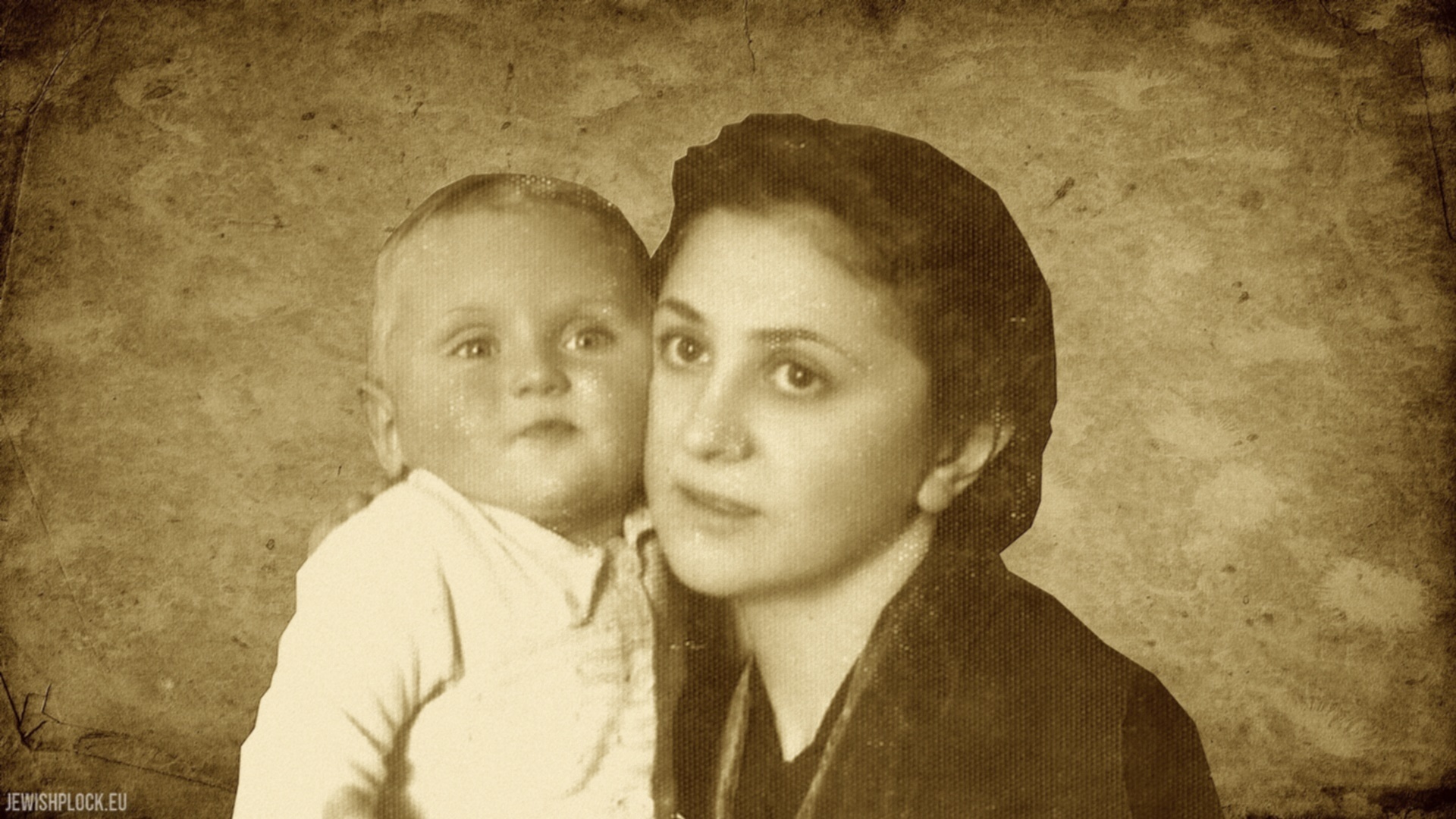
81st anniversary of the liquidation of the ghetto in Płock. Broken life. The fate of women of Płock during World War II and the Holocaust
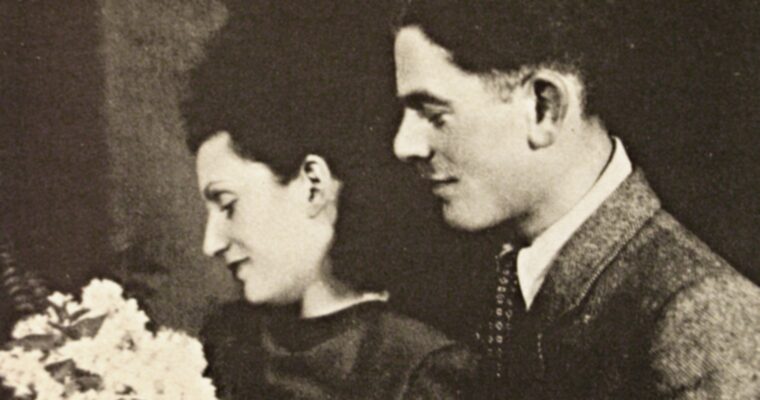
“Broken life. The fate of women of Płock during World War II and the Holocaust” is a series of texts on JewishPlock.eu, in which, between 22 February and 1 March 2022, we will recall the stories of Jewish women associated with Płock – those who […]

Chaskiel Szenwic

Chaskiel Szenwic

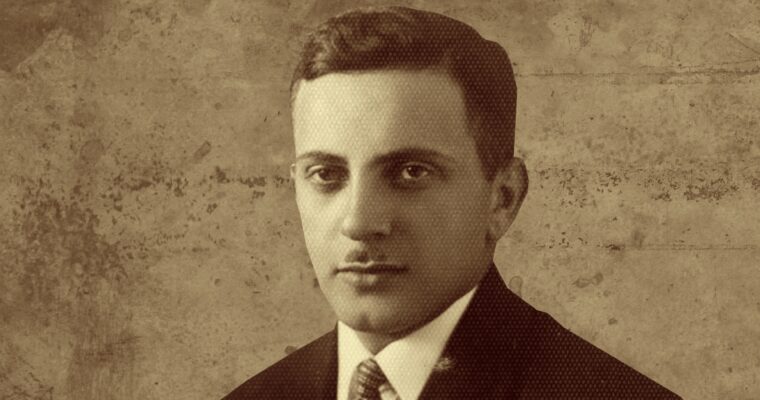
Henryk (Chaskiel) Szenwic (1906-1943) – electrical engineer. He was a graduate of theKing Władysław Jagiełło Middle School in Płock and the Electrotechnical Institute in Toulouse. He worked on the construction of the Municipal Power Plant in Płock. From 1933 he was a member of “Dionizy […]

81st anniversary of the liquidation of the ghetto in Płock. Light of remembrance at the Jewish cemetery
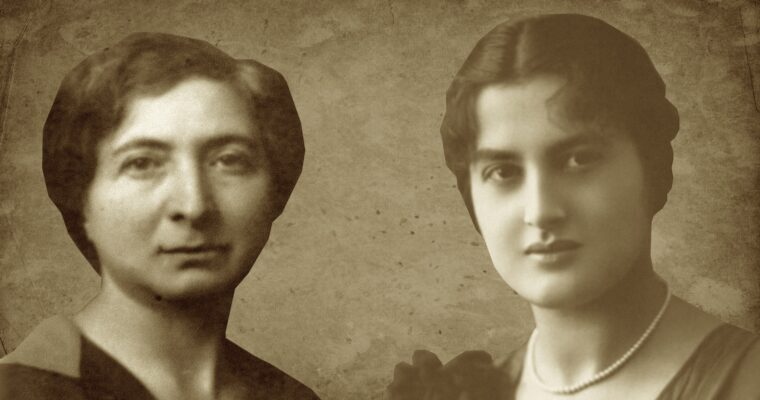
81st anniversary of the liquidation of the ghetto in Płock. Light of remembrance at the Jewish cemetery

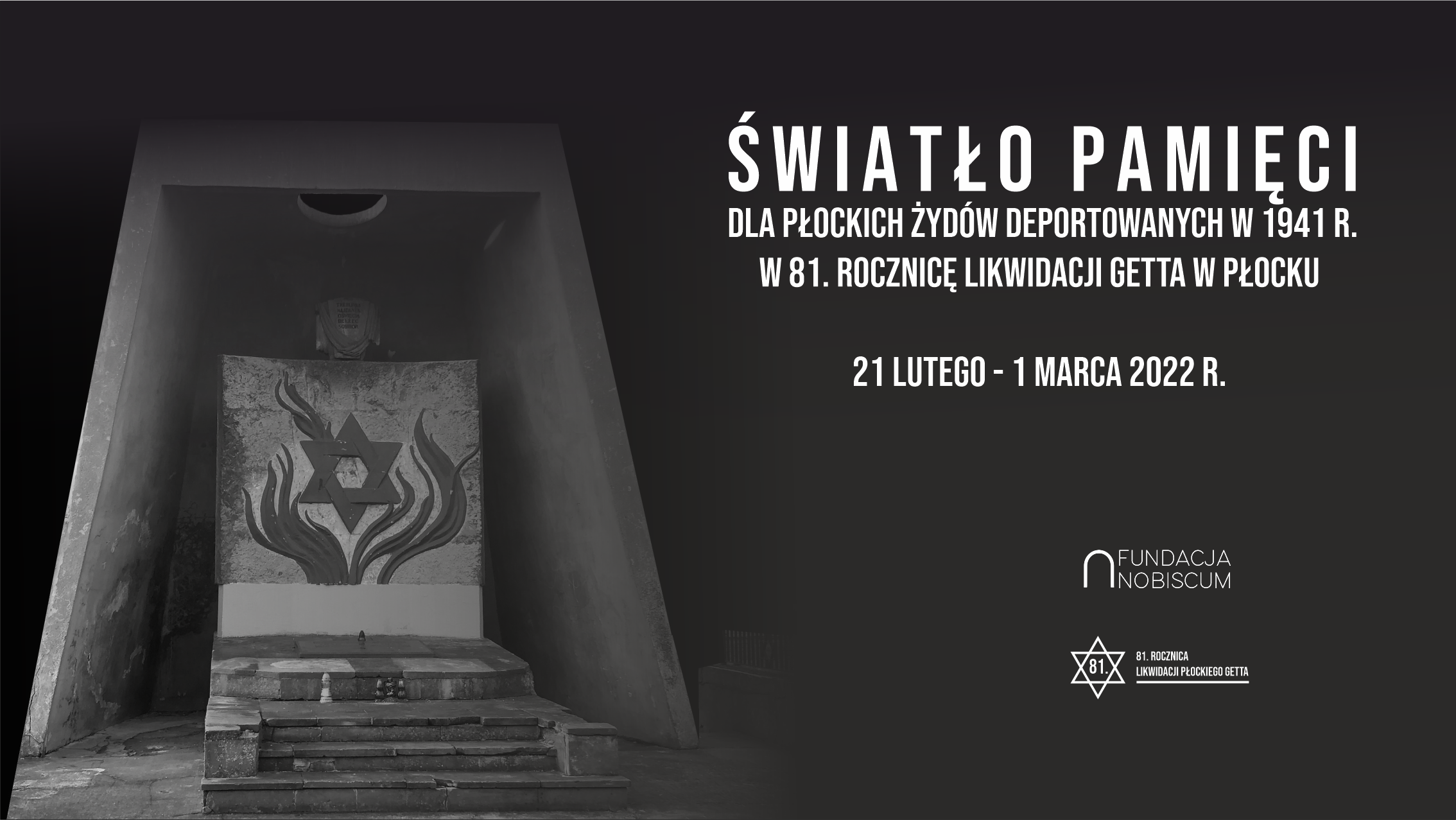
To commemorate the 81st anniversary of the liquidation of the ghetto in Płock, we encourage you to light a symbolic candle at the Jewish cemetery on Mickiewicza Street on February 21 – March 1. In this way, let us show our remembrance and respect for the thousands of Płock Jews deported from the ghetto in 1941, most of whom were later murdered in Nazi extermination camps.

On February 21 at 4 p.m. we will visit the Jewish cemetery to light the first candles. But if you cannot be with us then, please come on one of the following days. Your remembrance is what matters the most.

Roman Londyński

Roman Londyński

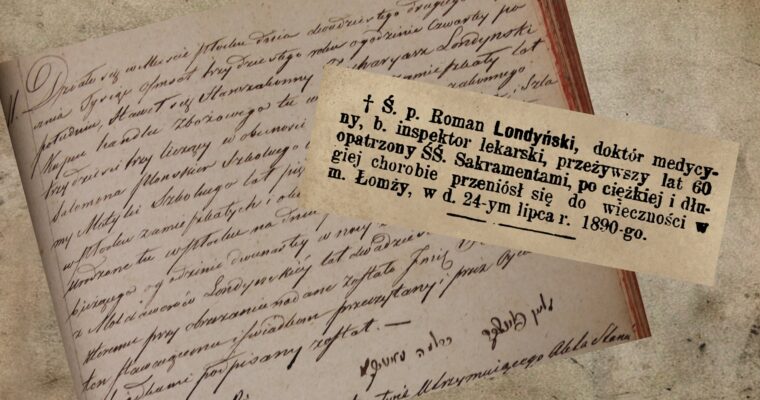
Roman Londyński (1830-1890) – doctor of medicine. He was born in Płock on January 15, 1830 in the family of a grain merchant, Zachariasz Londyński. He completed his medical studies in Moscow in 1850. He received his medical doctor degree from the Medical Council of […]


error: